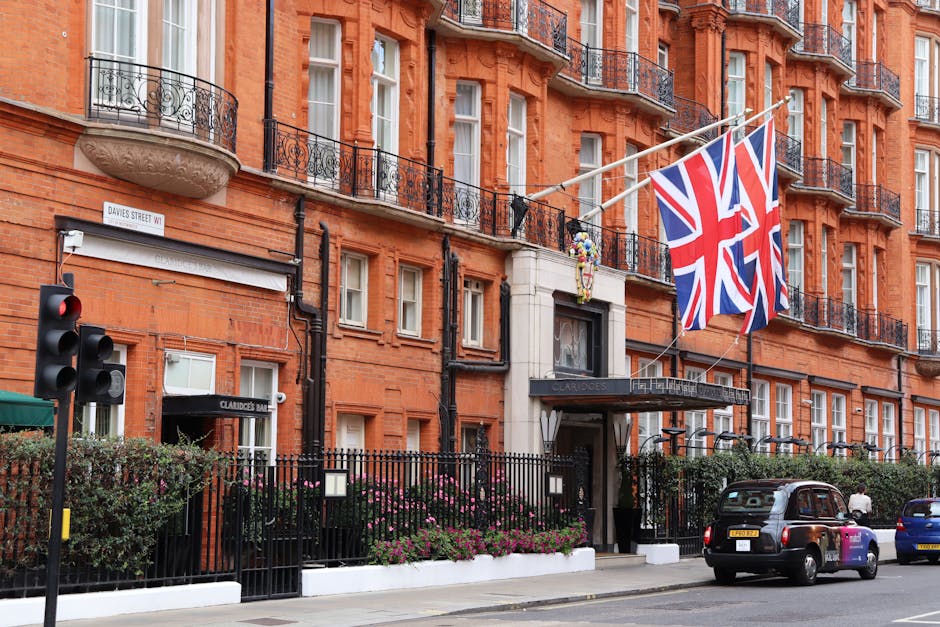
W1K Removals tips for Mayfair postcodes

Moving in and around W1K can feel deceptively simple on a map. In real life, though, Mayfair's narrow streets, busy curbs, mansion blocks, and tight loading windows can turn a straightforward move into a small logistical puzzle. That is exactly why W1K Removals tips for Mayfair postcodes matter: they help you avoid delays, protect your belongings, and keep the day calm enough to think clearly.
Whether you are leaving a flat off a quiet mews, moving into a townhouse near Berkeley Square, or shifting office items from one Mayfair building to another, a little local know-how goes a long way. The good news? With the right plan, the whole process becomes much more manageable. And to be fair, a good move in Mayfair is usually less about brute force and more about timing, access, packing discipline, and knowing what not to leave until the last minute.
In this guide, you will find practical advice on how W1K removals work, what makes Mayfair different, which mistakes cause most of the stress, and how to prepare properly if you want a smoother move. Let's get into it.
Why W1K removals tips for Mayfair postcodes matters
Mayfair is not the kind of place where you can assume a van will simply pull up, load, and disappear. Streets can be tight, building access can be fussy, and parking can be limited or controlled. That affects everything: arrival times, how many people you need, whether furniture can be moved safely, and how long the job will actually take.
For W1K removals, the postcode itself tells you something useful. You are dealing with a high-value, central London area where access planning matters just as much as lifting technique. A sofa that would be easy to remove from a suburban house can become awkward on a Mayfair staircase. A move that looks like a two-hour job can stretch if loading is not coordinated properly.
That is why local tips are worth your attention. They help you think ahead about lift access, concierge rules, traffic flow, and the timing of collections. In practical terms, they also reduce the chances of damage to door frames, skirting, marble floors, mirrors, and furniture that may be expensive, fragile, or simply sentimental.
Expert summary: In Mayfair, a successful move is usually won before moving day starts. Access, packing, timing, and clear communication do more for you than rushing ever will.
There is also a comfort factor. Let's face it, moving day can be noisy, messy, and slightly frantic even in the best of circumstances. A few sensible W1K moving tips can bring the temperature down a notch. That alone is valuable.
How W1K removals tips for Mayfair postcodes works
Think of a Mayfair move as a sequence, not a single event. First comes the survey or planning call. Then access checks, packing, labelling, and transport arrangements. After that, loading, transit, and unloading. If any one part is weak, the rest tends to wobble.
For most local removals in W1K, the process usually looks something like this:
- Identify what is moving, what is staying, and what needs special handling.
- Check building access, lift size, stair width, and any restrictions on moving times.
- Plan parking or loading arrangements as early as possible.
- Pack fragile and high-value items properly, using the right materials.
- Label boxes by room and priority, not just by item type.
- Confirm the route, arrival time, and any building requirements.
- Move items in a logical order so heavy, awkward, and urgent pieces are dealt with cleanly.
In a place like Mayfair, the details are rarely decorative. They change the whole day. A narrow entrance can mean your wardrobe has to be dismantled. A lift booked for a morning slot can dictate when the van arrives. Even where you park can affect how long porters spend carrying items from door to vehicle. Small things. But they add up.
One useful way to think about W1K removals is that the postcode calls for precision rather than speed. The fastest move is not always the smoothest one. In fact, trying to rush Mayfair removals is often how people create unnecessary damage or delay. Better to pause, check, and move with intent.
If you are comparing service types, local options such as local removals, small removals, or a man and van service may suit different kinds of W1K jobs. The right choice depends on volume, access, and how much handling care you need.
Key benefits and practical advantages
A well-planned W1K move can save you more than stress. It can protect time, reduce risk, and make handover day feel much more controlled. There is a reason experienced movers spend so much energy on prep; it pays off in very ordinary ways, which is usually where the real value is.
- Less risk of damage: Better packing and access planning means fewer knocks, scrapes, and awkward lifts.
- Better time control: Clear scheduling helps you avoid waiting around or missing a building slot.
- Lower chance of access problems: When you know the route, the lift size, and the loading point, surprises are less likely.
- Improved safety: Heavy furniture and awkward corners are safer when handled in a measured way.
- Less disruption: That matters in busy central London buildings where neighbours, concierges, and porters all have a stake in the day.
- More confidence: Which sounds simple, but on moving day confidence helps. You notice mistakes earlier and recover faster.
If you are moving with antiques, artwork, fragile lamps, or custom pieces, the benefit becomes even clearer. Items that may seem stable at home can become vulnerable once they are in transit or on a staircase. It is a bit like carrying a glass of water through a crowded room. Fine until it is not.
There is also a financial angle, though careful wording matters here. Better preparation can reduce the likelihood of avoidable costs such as extra labour time, re-delivery issues, or damage-related repairs. No one wants those on top of an already busy day.
Who this is for and when it makes sense
W1K removals tips for Mayfair postcodes are useful for a wide range of people, not just large households. The common thread is access pressure, time pressure, or both.
You will probably find this especially useful if you are:
- moving from a flat with limited lift access
- relocating into or out of a townhouse or mansion block
- moving high-value furniture, art, mirrors, or delicate items
- changing offices in a central London building
- downsizing and need careful sorting before the move
- using short-term storage between addresses
- trying to complete a move within a tight timeslot
It also makes sense if you are not moving much volume, but the items are awkward. A small move can still be complicated if there is a piano, a bulky wardrobe, or a heavy desk involved. That is where flat removals or house removals may be the more suitable framing, even for what looks like a modest job.
For offices, timing can be even more exacting. Deliveries, business hours, and building rules all need to be considered. In that case, office removals and office storage may help keep the move orderly without interrupting work more than necessary.
Step-by-step guidance
If you want a calmer move in W1K, the best approach is to work from the outside in: access first, then packing, then loading order, then final checks. Here is a practical way to do it.
1. Start with access and building rules
Before anything is packed, work out where the van can stop, where the team will enter, and whether there are restrictions on lift use or moving hours. In Mayfair, this step often saves the most headaches. Ask the building manager, concierge, or landlord early. A quick conversation can reveal quirks that would otherwise catch you out on the day.
2. Measure the awkward items
Doorways, stair turns, lift doors, and large furniture dimensions should all be checked. If a sofa or wardrobe is borderline, it is better to know in advance than to discover it in a hallway with no easy turning space. Truth be told, "it'll probably fit" has caused many a moving-day sigh.
3. Pack by fragility and priority
Not everything should be packed the same way. Glassware, artwork, electronics, and decorative pieces need proper cushioning. Important documents, chargers, and basic toiletries should stay easy to reach. A useful rule: pack for the first night as if you will be too tired to search through ten boxes. Because you probably will be.
4. Label in a way that helps the unload
Room labels are good. Priority labels are better. For example: "Kitchen - essential," "Bedroom - bedding," or "Office - urgent papers." That makes the unloading order more sensible and helps the team put things where they belong rather than creating a mountain in the hallway.
5. Confirm the van and arrival timing
Ask for a realistic arrival window and make sure everyone involved knows it. In central London, a five-minute delay can be normal, but an unspoken delay can throw off the whole day. Keep phones charged and be ready to respond if access instructions change at the last minute.
6. Prepare a clear unloading plan
At the destination, decide where boxes and furniture should go before the first item comes through the door. It feels small, but it saves energy. A team carrying a heavy dresser does not want to be asked three times where the dresser should live.
7. Do a final walk-through
Check cupboards, drawers, balconies, utility spaces, and behind doors. People always forget at least one thing. That is just human nature. A final walk-through catches the small items that are easy to miss when the day gets noisy.
Expert tips for better results
Once the basics are in place, a few sharper tactics can make a Mayfair move noticeably smoother.
- Use quality packing materials: Cheap boxes collapse at the worst moment. For fragile items, that is not the place to economise.
- Disassemble only what needs to be disassembled: Over-disassembly can waste time, but under-disassembly causes access problems. Aim for the awkward middle ground, sensibly.
- Keep a "do not load yet" zone: This helps when items need to travel separately or stay back until the final sweep.
- Protect floors and finishes: Mayfair properties often include finishes that mark easily. Blankets, wraps, and corner protection are not overkill.
- Plan around traffic and timing: Early starts can be a blessing in central London. So can avoiding the noisiest part of the day if your building is strict.
- Use storage if the move is split: If dates do not line up neatly, short-term storage can reduce pressure. It is a sensible bridge, not a failure of planning.
One thing experienced movers notice quickly: the homes and offices that move best are the ones where someone made decisions early. Not perfectly. Just early. That is enough.
If you need a buffer between addresses, services such as short-term storage, secure storage, or removals and storage can be useful when timing is tight or access at one end is awkward.
Common mistakes to avoid
Most moving problems in W1K are not dramatic. They are small, predictable mistakes that stack up. The good news is that most are avoidable.
- Leaving access checks too late: If you only ask about lift access on moving day, you have already made the day harder.
- Underestimating packing time: People often think packing is a half-day job. It usually is not, especially if you want it done properly.
- Using weak boxes for heavy items: Books, crockery, and tools need sturdier cartons than people expect.
- Not labelling by room: If everything is just "miscellaneous," unloading becomes messy and slow.
- Forgetting parking or loading restrictions: This is a big one in central London. A van that cannot stop properly creates a cascade of delays.
- Leaving valuables in random bags: Keys, passports, laptops, and jewellery should have one clear, secure place.
- Assuming every mover handles delicate items the same way: They don't. Always check what materials, handling, and insurance arrangements are in place.
A slightly less obvious mistake? Overfilling boxes just because they still close. If you have ever tried lifting a box full of books up a staircase, you know how quickly that becomes a regretful decision. Small boxes for dense items. Always.
Tools, resources and recommendations
You do not need a warehouse of equipment for a good move, but a few basic tools make a noticeable difference. In W1K, especially, the right kit can make awkward access much less stressful.
| Tool or resource | Why it helps | Best used for |
|---|---|---|
| Strong double-walled boxes | Reduce collapse and crushing risk | Books, crockery, mixed household items |
| Wardrobe cartons | Keep clothing tidy and reduce creasing | Hanging garments, seasonal clothing |
| Bubble wrap and paper | Cushion fragile items | Glass, ceramics, frames, lamps |
| Mattress covers | Protect from dirt and scuffs | Beds and soft furnishings |
| Furniture blankets | Prevent knocks and scratches | Tables, cabinets, doors, polished surfaces |
| Labels and marker pens | Make unloading faster and more accurate | Room labelling and priority marking |
| Trolley or sack truck | Helps with heavier or repeated loads | Boxes, appliances, office equipment |
| Storage as a buffer | Eases date gaps and access pressure | Split moves and staged relocations |
In many cases, the most useful resource is not a product at all but a proper pre-move conversation. A good survey call or planning discussion can reveal whether you need a team of two or four, whether a larger van is sensible, and whether dismantling furniture beforehand would save time. That kind of judgement is worth more than fancy tape, to be honest.
For packing support, packing services can be a practical option if you are short on time or handling fragile possessions. For added peace of mind with valuable items, insurance and safety information is worth reviewing before the move starts.
Law, compliance, standards, or best practice
For removals in Mayfair, compliance usually means following building rules, parking restrictions, safe lifting practices, and any local access requirements that apply on the day. The exact details vary by property and location, so it is wise to confirm them rather than assume.
In practical terms, you should think about:
- Building management rules: Many central London buildings have booked moving slots, lift protection requirements, or porter instructions.
- Parking and loading constraints: Loading may be restricted, especially near busy roads or where access is shared.
- Health and safety: Safe lifting, clear walkways, and suitable handling methods matter, particularly for heavy or awkward furniture.
- Insurance: Check what cover is offered and what is excluded, especially for high-value belongings.
- Waste and disposal: If anything is being thrown away, avoid fly-tipping and use lawful disposal routes.
If you are discarding bulky items, do not leave them on the street and hope for the best. That is one of those shortcuts that turns into a problem. For example, the topic is covered in more detail in this guide to flytipping fines in Mayfair, which is a useful reminder that disposal needs to be handled properly.
Best practice also means treating delicate or valuable pieces with a little extra caution. If you are moving antique furniture, it can help to read these antique furniture removals tips before moving day, especially if the items are heavy, old, or easily marked.
One final point: keep records. Photos of high-value items, notes on condition, and written instructions can all help if anything needs to be checked later. It is a boring bit of admin, but useful. Very useful.
Options, methods, or comparison table
Choosing the right method for a W1K move depends on volume, access, budget, and how much handling support you want. There is no single best answer, which is why a quick comparison is handy.
| Method | Best for | Advantages | Limitations |
|---|---|---|---|
| Full removals service | Households, full flats, larger moves | More hands, more coordination, less lifting for you | Usually higher overall cost than smaller options |
| Man and van | Smaller loads, single rooms, flexible moves | Flexible and often efficient for modest jobs | Can be less suitable for larger or more complex access issues |
| Small removals | Light-to-medium moves with some awkward items | Practical balance of support and efficiency | May still require careful access planning |
| Removals and storage | Moves with date gaps or decluttering needs | Reduces pressure when schedules do not align | Requires extra planning and coordination |
| Self-storage plus move | People sorting, downsizing, or renovating | Good for staged decisions and overflow items | More handoffs to manage |
If your move includes both belongings and a timing gap, storage can be the calmer route. Short-term or longer arrangements can help you avoid cramming everything into one day, which is often where mistakes creep in. For example, furniture storage, household storage, or long-term storage may suit different needs depending on what is moving and how quickly you need access again.
Case study or real-world example
Imagine a couple moving from a second-floor flat near a Mayfair garden square into a nearby apartment with stricter building access. On paper, it looks straightforward: similar distance, similar amount of furniture, no long haul across London. In reality, the new building only allows a narrow loading window, the lift is smaller than expected, and one wardrobe does not fit upright through the bedroom door.
What makes the move succeed is not speed. It is preparation.
They measure the largest furniture pieces the day before, split boxes by room, and keep bedding and toiletries in clearly labelled bags for the first night. The wardrobe is dismantled in advance rather than being wrestled at the entrance. Fragile pieces are wrapped properly, and the team is told which items should be unloaded first. The whole thing still takes effort, naturally, but it stays organised.
The key lesson is simple: the more Mayfair-specific the access constraints are, the more you benefit from planning in layers. Access, packaging, timing, and unload order all need to work together. When one part is off, the whole day feels harder. When they line up, even a tricky postcode can feel manageable.
A similar pattern shows up in commercial moves too. A small office leaving a Mayfair address may have only a limited window for equipment removal, plus a need to keep certain files or devices separate. In that case, careful labelling and short-term storage can stop the move from spilling into the next business day.
Practical checklist
Use this checklist in the run-up to moving day. It is not glamorous, but it works.
- Confirm the full moving date and time window
- Check lift access, stair width, and doorway measurements
- Ask about building rules, porter instructions, or booking slots
- Arrange parking or loading permissions where needed
- Sort items into keep, move, store, and dispose piles
- Pack fragile items separately with proper cushioning
- Label boxes by room and priority
- Keep valuables, keys, chargers, and documents together
- Prepare a first-night essentials bag
- Protect floors, corners, and polished furniture
- Confirm insurance and safety arrangements
- Do a final walk-through before the van leaves
If you are moving delicate, heavy, or high-value items, it is worth building in a little breathing space. Not a lot. Just enough to avoid that last-hour scramble when everyone suddenly remembers the lamp shade, the spare keys, and the charger for the router. Happens every time, more or less.
For related planning support, you may also find pricing and quotes useful when comparing options before you book.
Conclusion
W1K Removals tips for Mayfair postcodes are really about making smart decisions before the first box is lifted. In a part of London where access can be tight and property standards are high, the best moves are calm, methodical, and properly prepared. That means measuring awkward items, checking building rules, packing with care, and choosing the right moving method for the job in front of you.
If you remember only one thing, let it be this: local knowledge saves time. It saves stress too. Whether you are moving a single flat, a family home, or a small office, the difference between a rough day and a good one usually comes down to planning the details that others ignore.
Get a free quote today and see how much you can save.
And if you are still at the stage of collecting notes on a pad and staring at boxes in the corner, that is fine. That is where most good moves begin.
Frequently Asked Questions
What makes W1K removals different from other London moves?
W1K moves often involve tighter access, more building coordination, and stricter loading or parking considerations. That changes how early you need to plan and how carefully furniture and boxes should be handled.
Do I need a full removals service for a Mayfair postcode move?
Not always. Smaller moves may suit a man and van or small removals setup, while larger flats, houses, or office relocations usually benefit from a fuller service with more support and coordination.
How far in advance should I plan a move in Mayfair?
As early as possible, especially if you need building permissions, lift bookings, or parking arrangements. Even a relatively small move can become complicated if access is left too late.
Is storage useful for W1K removals?
Yes, especially if dates do not line up neatly or if you are downsizing. Short-term storage can take pressure off the move and make the timing much more manageable.
What should I pack separately for moving day?
Keep essentials such as chargers, documents, toiletries, medication, keys, and a change of clothes separate. That way, the first night is easier even if most boxes are still sealed.
How do I protect fragile items during a Mayfair move?
Use strong boxes, cushioning materials, and clear labelling. It also helps to keep fragile items grouped together so they are not buried under heavier items.
Are there common access problems in W1K?
Yes. Narrow staircases, smaller lifts, limited parking, and building-specific rules are all common enough to plan for rather than hope away.
Should I dismantle furniture before the move?
Only where it makes practical sense. Large wardrobes, bed frames, and some tables often move better when partially dismantled, but overdoing it can waste time. Use judgement.
How can I avoid delays on moving day?
Confirm access details, book the necessary slots, label boxes clearly, and keep communication open with everyone involved. Delays often come from missing information rather than the move itself.
What if my new Mayfair property has no lift?
Then access planning becomes even more important. Measure stair turns, think carefully about furniture size, and prioritise items that can be carried safely without forcing awkward angles.
Can I combine removals with storage?
Yes. In fact, it can be one of the neatest ways to handle a staggered move, particularly if you need flexibility or want to move in stages.
How do I know whether a move is suitable for a man and van service?
If the load is relatively small, access is manageable, and you do not need a large team, it may be a practical choice. If there are heavy, valuable, or awkward items, a more comprehensive service may be the better fit.
What should I ask before booking a removals service in W1K?
Ask about access planning, insurance, packing help, storage options, timing, and how the team handles fragile or bulky items. Clear answers at this stage usually mean fewer surprises later.
Where can I find more help with Mayfair-specific moving issues?
You can explore related guides on loading, access, parking, and building rules across the site, including useful local articles such as loading rules for Mayfair removals, permits guidance, and practical solutions for flats with no lift.